

2026-08-20
Mag Lock vs. Electric Strike: Which Fail-Safe Device Should You Source?
1. Understanding Magnetic Locks vs Electric Strikes
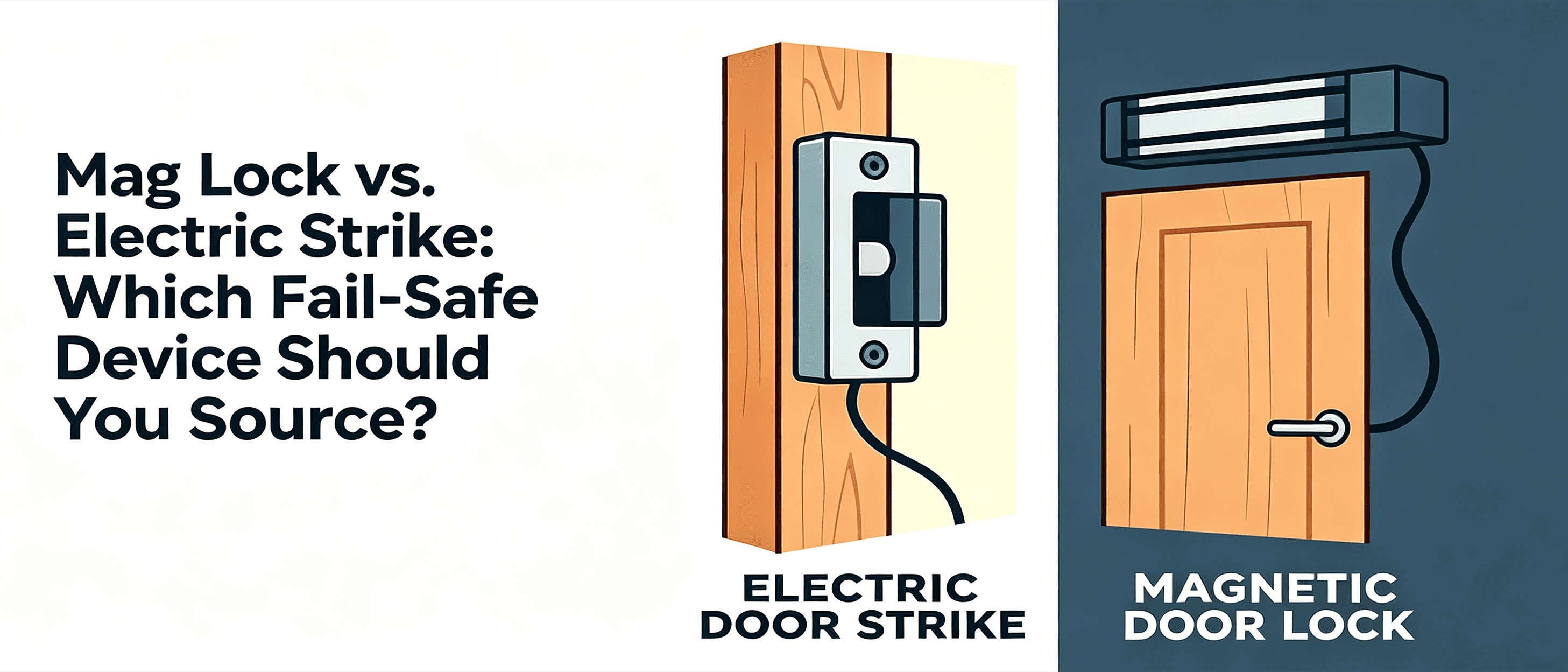
A magnetic lock uses electromagnetic force to secure a door. When powered, the electromagnet on the door frame creates a strong magnetic field that holds a metal plate attached to the door, typically with a holding force exceeding 600 pounds. When power is removed, the door unlocks instantly. A maglock has no moving parts, making it low-maintenance and reliable.
An electric strike, by contrast, is a mechanical device installed in the door frame. It replaces the standard fixed strike plate and works with the existing mechanical lockset. When powered (or unpowered, depending on configuration), the strike's keeper pivots out of the way, allowing the door to open without retracting the latch. The door retains its mechanical locking function as a backup.
Aspect
|
Magnetic Lock
|
Electric Strike
|
Locking mechanism
|
Pure magnetic force
|
Mechanical latch + frame
|
Moving parts
|
None
|
Yes (keeper/pivot mechanism)
|
Door modification required
|
No (mounts on frame/header)
|
Yes (requires frame cutting)
|
Default fail state
|
Always fail-safe
|
Configurable
|
The core difference between a magnetic lock vs electric strike lies in how they hold the door. This distinction influences everything from installation complexity to fail-safe behavior.
2. Fail-Safe vs. Fail-Secure Mechanisms
This is where the two technologies diverge most significantly.
Fail-safe devices unlock when power is lost. This prioritizes life safety: in a fire or emergency, occupants can exit without obstruction.
- Magnetic locks are inherently fail-safe.
- When power fails or the fire alarm is triggered, the electromagnetic field collapses and the door releases.
- This is why building and fire safety codes often mandate fail-safe operation on emergency egress routes.
Fail-secure devices remain locked when power is lost. This prioritizes asset protection: during a blackout, sensitive areas remain secured.
- Electric strikes are available in both fail-safe and fail-secure configurations.
- Most electric strikes are fail-secure by default—they require power to unlock.
- In this mode, they function as a standard mechanical lock during a power outage.
When evaluating an electric strike vs magnetic lock, consider the primary goal:
- Protect people (fail-safe) → Magnetic locks are often the hardware of choice for fire exits.
- Protect assets (fail-secure) → Electric strikes are typically preferred for server rooms or storage areas.
3. Installation Compatibility with Different Door Frames
Installation requirements differ significantly between these two hardware types.
Magnetic locks are relatively simple to install:
- Mount to the door frame and header
- Require no modification to the door itself
- Compatible with a wide range of doors, including glass doors and aluminum frames
- However, precise alignment between the magnet and armature plate is required to achieve full holding force
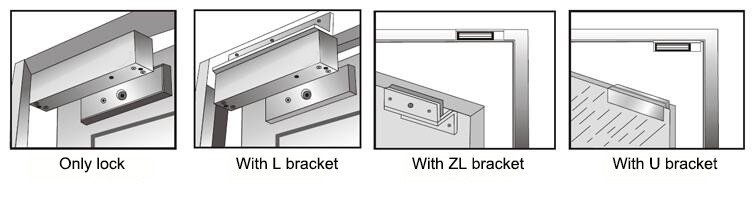
Secukey's Clock Series magnetic locks deliver holding forces from 60kg to 500kg, covering everything from interior doors to heavy-duty perimeter entrances—with straightforward surface mounting that minimizes installation time.
- Electric strikes require more extensive installation work:
- Require cutting into the door frame to recess the strike body
- Demand carpentry or metalwork skills
- Require careful alignment with the existing latch
- Installation must account for latch type, depth, preload from door closers, and fire-rating requirements
- Compatibility is highly dependent on the existing lock hardware—the latch must engage correctly with the strike keeper
Selection guidance:
- Retrofitting existing mechanical locks → Electric strikes often integrate more naturally
- New installations on glass or non-standard frames → Magnetic locks are often the more practical choice
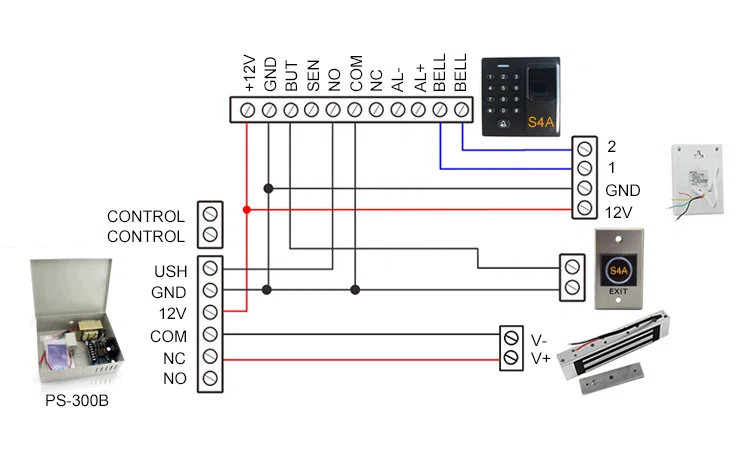
4. Choosing the Right Hardware for Fire Exits
Fire exit applications are governed by strict building and fire codes. These regulations are non-negotiable.
Magnetic locks are commonly used on fire exits in a fail-safe configuration:
- When the fire alarm activates or power fails, the maglock releases, allowing free egress
- Code compliance requires additional safety features:
- A dedicated manual release (e.g., a "PUSH TO EXIT" button)
- A motion sensor that works even in smoke
- Automatic release upon fire alarm activation
- The system must be UL 294 listed and receive fire department approval
Electric strikes on fire doors present more complex compliance challenges:
- If used on a fire-rated door assembly, the strike must be specifically fire-rated for that door type
- Example: ASSA ABLOY ES110 strike is fire-rated for both timber (30/60 minutes) and steel (240 minutes) doors
- Local fire authorities require permit applications and plan submissions before installation
- Particularly critical when the strike is on a fire door assembly
For projects requiring electric strikes on fire-rated assemblies, Secukey's C-Strike series offers various configurations—from standard bolt locks to models specifically designed for narrow door frames, with holding forces reaching up to 1500kg.
When selecting hardware for a fire exit, the mag lock vs electric strike decision often comes down to code requirements and the door's fire rating. Maglocks offer simpler fail-safe integration, while electric strikes require more careful specification to meet fire-rating criteria.
Conclusion
Choosing between a magnetic lock and an electric strike is not about which is "better"—it's about which is right for your specific door, security requirements, and compliance obligations.
Choosing between a magnetic lock and an electric strike is not about which is "better"—it's about which is right for your specific door, security requirements, and compliance obligations.
Consideration
|
Magnetic Lock
|
Electric Strike
|
Default Fail State
|
Always fail-safe
|
Configurable
|
Installation Complexity
|
Moderate; frame mounting
|
High; requires frame cutting
|
Best Application
|
Glass doors, high-traffic, fire exits
|
Retrofits, mechanical lock compatibility
|
Fire Exit Compliance
|
Simple fail-safe integration
|
Requires fire-rated models & permits
|
By understanding these technical and regulatory distinctions, With over 10 years of access control manufacturing expertise, Secukey delivers the technical knowledge and product range to support these critical sourcing decisions—from magnetic locks to electric strikes, and everything in between.