

Standalone Keypad Access Control: Simple and Easy to Install
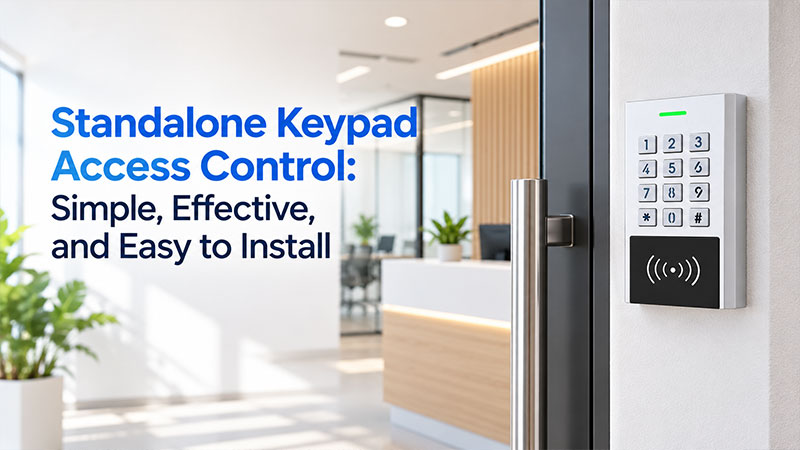
Standalone Keypad Access Control: Simple, Effective, and Easy to Install
Small offices, shops, warehouses and utility rooms often need reliable door security without the cost and complexity of a centralized access control system.
A standalone keypad access control device combines user authentication and door control in one compact unit. It can manage PIN codes, RFID cards or both without requiring a computer, central server or complicated network.
This makes it a practical choice for small commercial projects that prioritize stable operation, simple installation and a controlled budget.
1. When to Use Standalone Access Control Keypads
A standalone keypad is suitable when a project needs to secure one door or a small number of independent entrances.
Typical applications include:
-
Small offices
-
Retail stores
-
Warehouses
-
Server and equipment rooms
-
Staff-only entrances
-
Clinics and studios
-
Workshops
-
Apartment utility areas
Unlike a networked system, a standalone access control keypad stores users and operates the relay locally. The door can continue working without internet access or a central server.
This local operating structure reduces installation complexity and eliminates the need for access control software. It is especially useful when the customer needs a stable, cost-effective solution for a limited number of doors.
For larger buildings requiring centralized monitoring, detailed attendance reports or management of many entrances, a networked access control system may be more appropriate.
2. User Manual and Installation Basics
A typical installation includes the keypad, electric lock, power supply, exit button and optional door sensor.
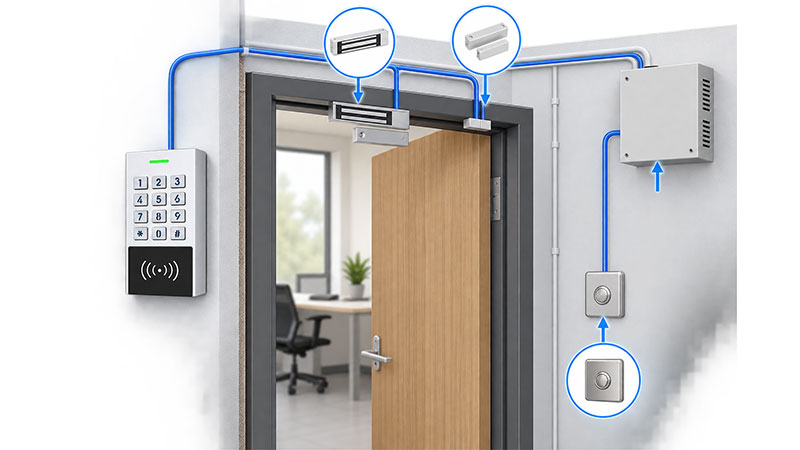
The basic connection is:
Power Supply → Standalone Keypad → Electric Lock
The exit button and door sensor can then be connected according to the wiring diagram.
Before installation, confirm:
-
Power input requirements
-
Lock type and voltage
-
Fail-safe or fail-secure operation
-
Relay contact rating
-
Door material
-
Indoor or outdoor installation
-
Required cable type
-
Mounting height and position
The standalone keypad access control manual should provide terminal definitions, wiring diagrams and programming instructions. Always disconnect the power before wiring and verify all connections before switching the system on.
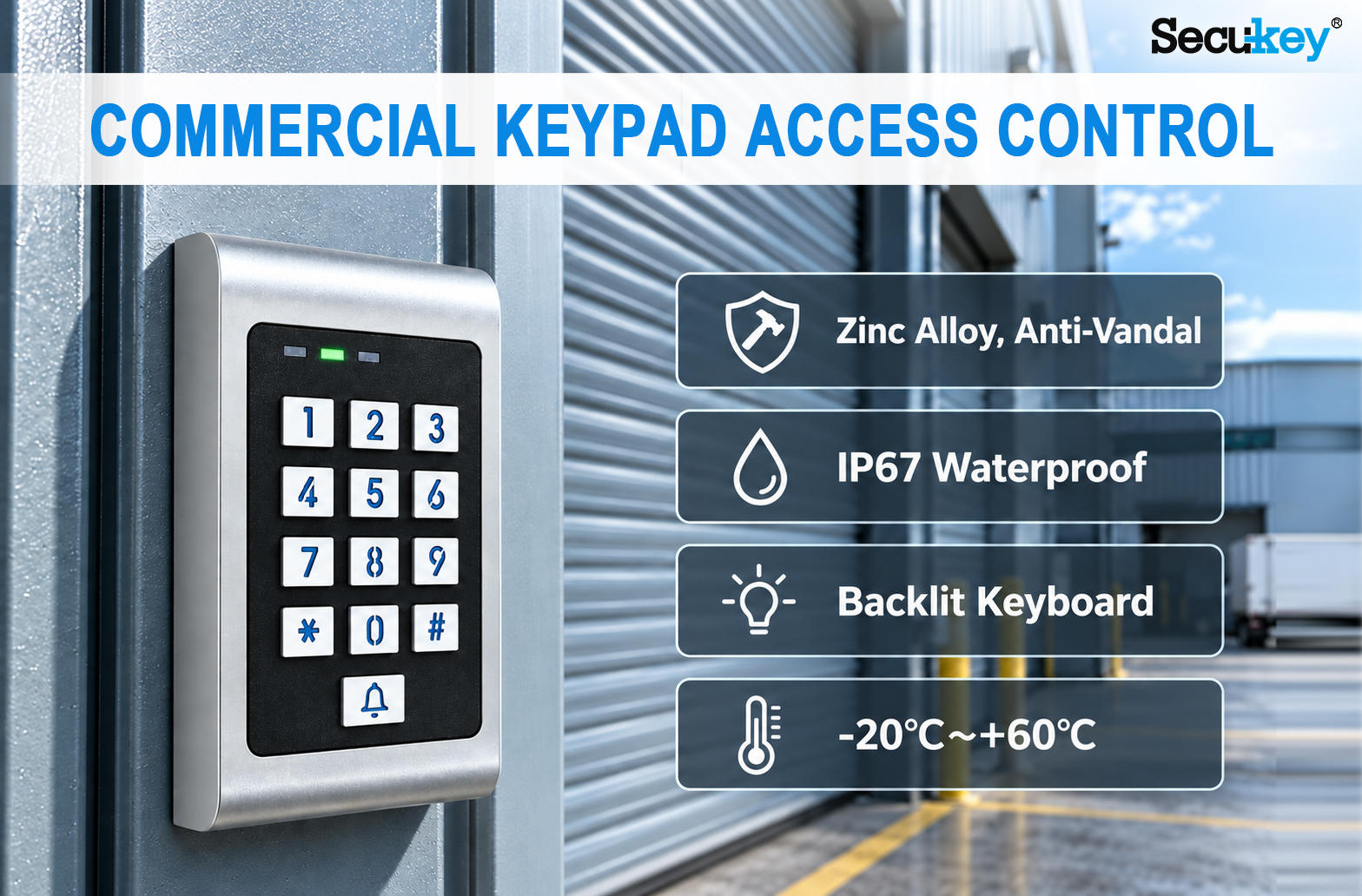
For outdoor projects, choose a weather-resistant metal keypad and protect the power supply and control wiring inside the building. For higher security, the keypad can be connected to a separate access controller so that the lock relay is not exposed outside.
3. Managing Users Without a Central Server
One of the main advantages of a stand alone access control keypad is that user management can be completed directly on the device.
An authorized administrator can normally: