

The Evolution of the Deadbolt: Choosing the Right Smart Deadbolt
1. The Deadbolt Remains the Gold Standard
Deadbolts dominate residential front doors across the US, and for good reason. Unlike spring latches that can be pried or slipped open, a deadbolt extends a solid steel bolt deep into the door frame for robust physical security.
Today, smart functionality is no longer a luxury upgrade — it is an expected feature. One fast-growing trend grabs plenty of attention: smart deadbolts with built-in cameras. Homeowners naturally ask: if my lock manages entry, why can’t it also show who is at the door?
2. The Core Advantages of Smart Deadbolts
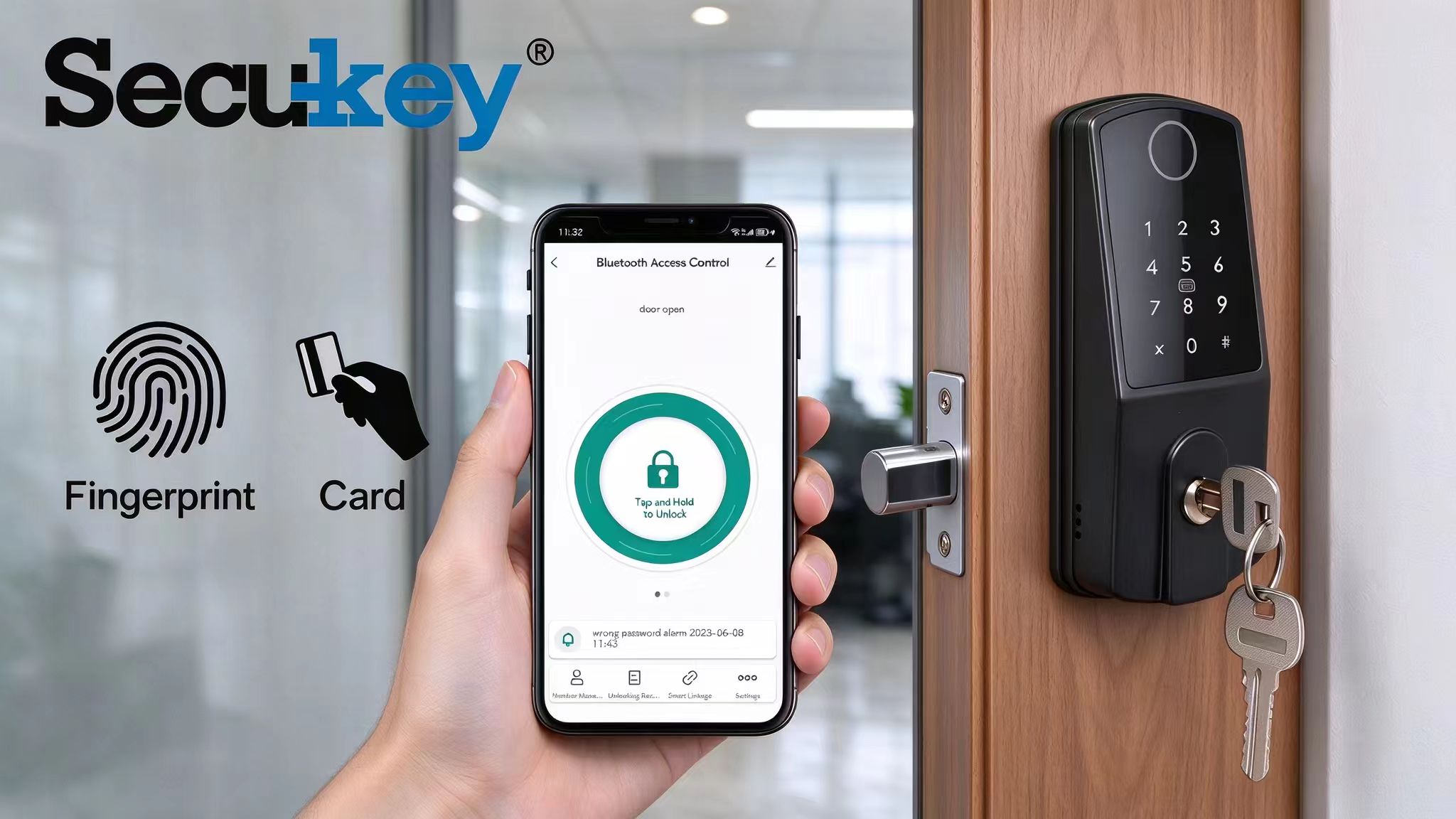
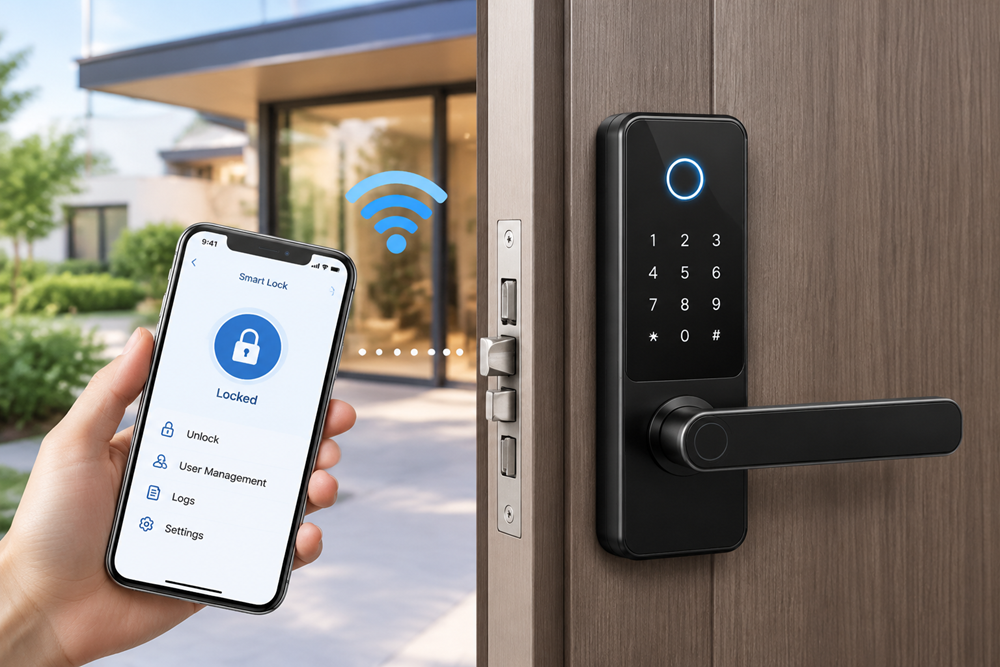
A smart deadbolt preserves the proven mechanical security of a traditional deadbolt while adding modern access methods: fingerprint, keypad PIN, RFID card and mobile app control.
Smart features bring visibility and flexible management: remote lock status checks, one-time passcodes for contractors or guests, and complete entry logs. This audit trail is extremely valuable for property managers.
The biggest upgrade is eliminating risks tied to physical keys: lost keys, duplicated keys, and over-shared keys. Digital access credentials can be revoked instantly, with no need to rekey the lock.
3.Camera-Equipped Deadbolts: Convenience Comes With Trade-offs
Camera deadbolts combine locking hardware, video, doorbell function and two-way audio into one unit. When visitors press the button or trigger motion alerts, homeowners receive a live video feed on their phone.
For buyers, the appeal is consolidation: one device instead of separate lock and doorbell camera. But there are meaningful drawbacks to weigh:
- Shorter battery life: Cameras consume far more power than lock motors, requiring frequent recharging.
- Limited viewing angle: Deadbolts sit at chest height, much lower than standard doorbell cameras mounted at face level, resulting in restricted views.
- Harder servicing: If the camera fails, the entire lock must be replaced. Many professional installers prefer a separate video doorbell paired with a standalone smart deadbolt for simpler long-term maintenance.
Camera deadbolts are not bad products — they are niche solutions built for specific scenarios, not a universal upgrade.
4. Smart Deadbolt vs. Smart Handle Locks
US preference for deadbolts is rooted in security requirements, not habit.
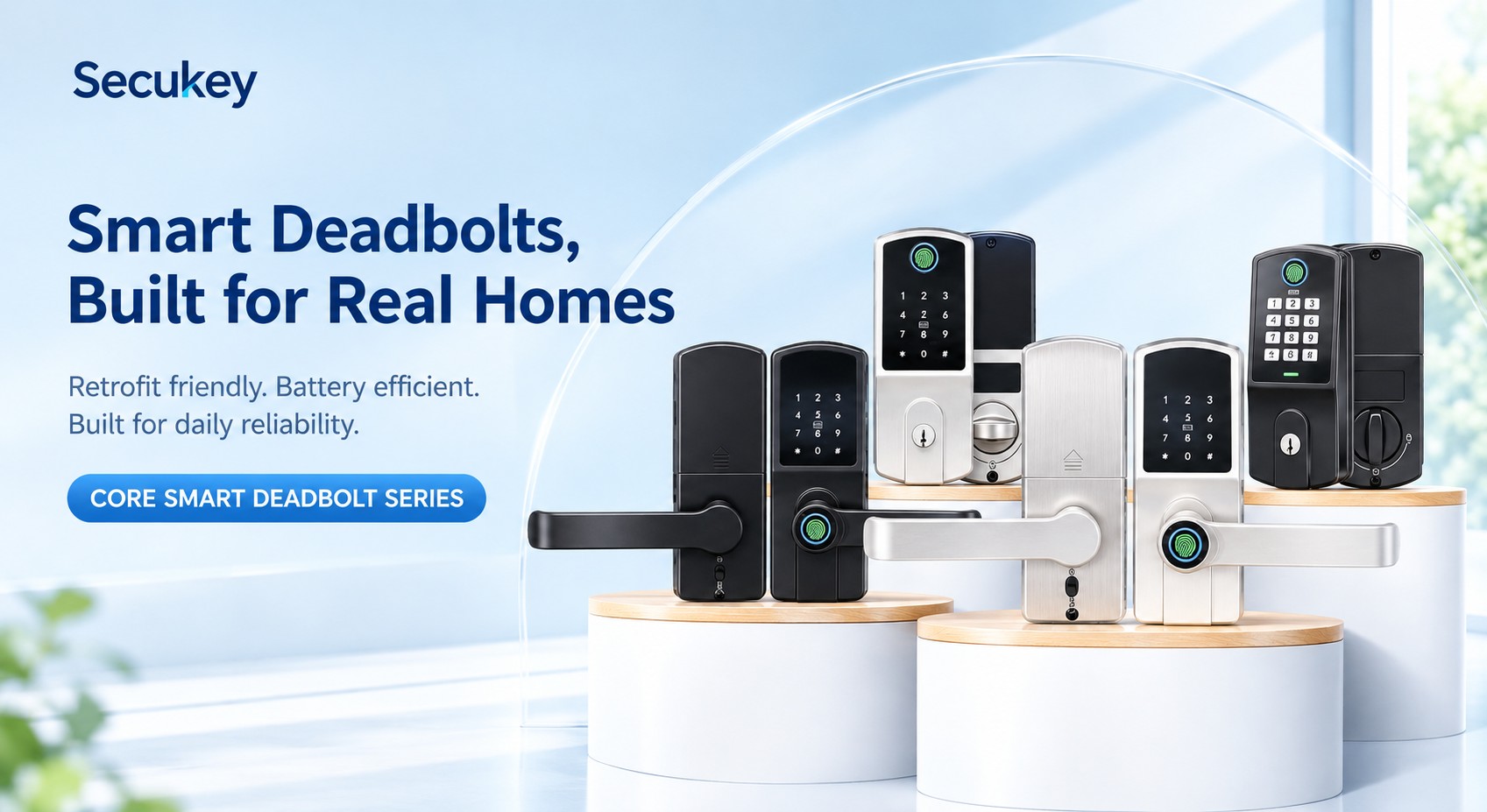
- A smart deadbolt secures the door with a heavy throw bolt, resisting simple forced entry tactics. Lever-style deadbolt locks pair the deadbolt with a handle for a complete door set; the deadbolt remains the primary security anchor.
- Handle-only smart locks rely on standard latch bolts that are easier to bypass. Most US building codes and insurance providers recommend or require deadbolts for exterior entry doors.
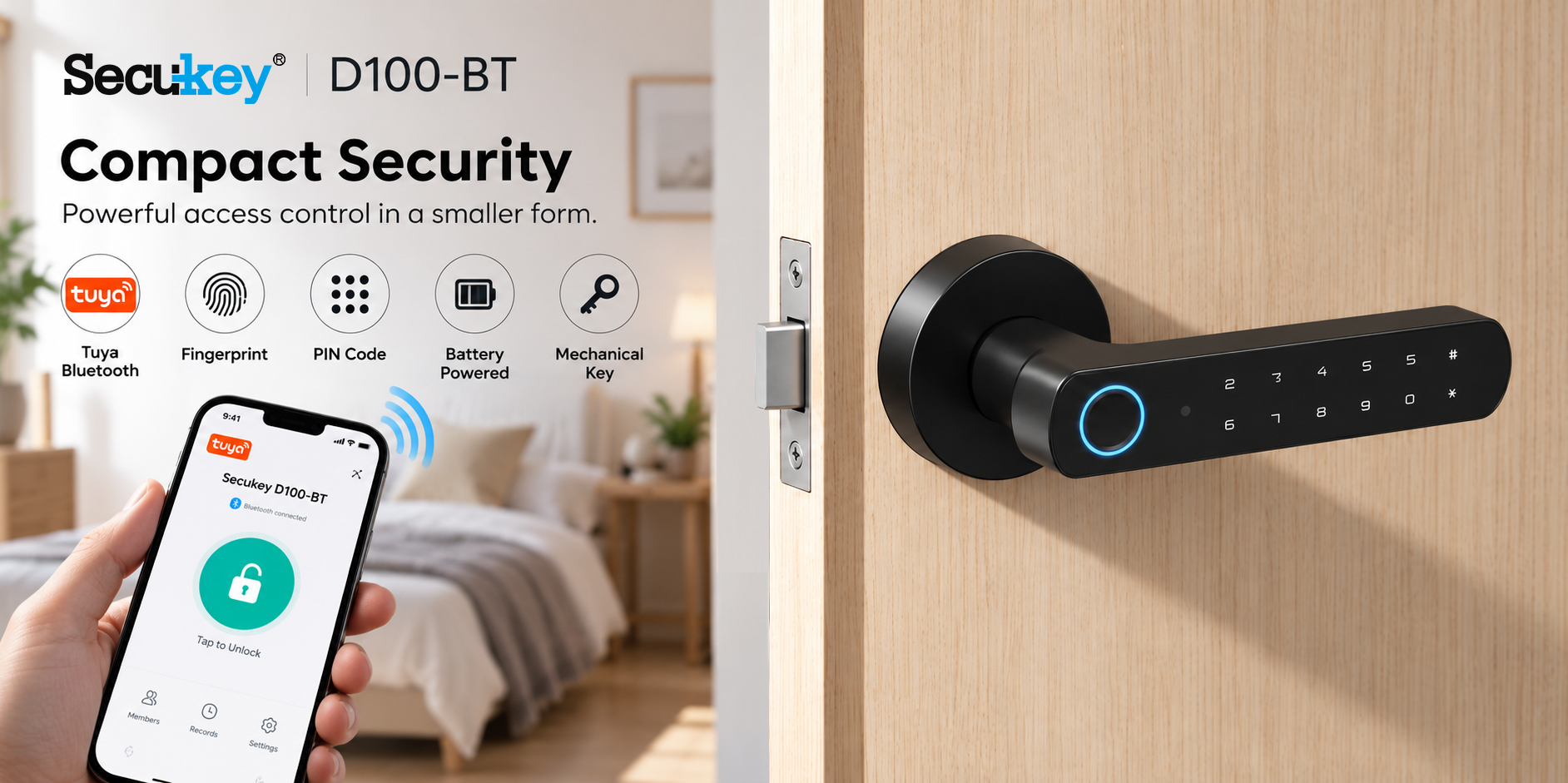
Handle locks work well for interior rooms, closets and office doors, but deadbolts remain the standard for front entryways.
5. Retrofit Installation Considerations
Most smart deadbolts are engineered for retrofit replacement, matching standard US door prep: a 2 1/8” bore hole, 2 3/8” or 2 3/4” backset, and 1” edge hole. New drilling is usually unnecessary, and typical installation takes 15–60 minutes.