

2026-09-18
Finding the Best Commercial Smart Lock for Retail and Storefront Doors
For retail chains, a smart lock needs to provide secure access, easy user management, and reliable daily operation. The right choice should also match the door type, traffic level, and local safety requirements.
1. Check Your Store's Requirements
Before choosing a commercial door smart lock, consider:
Door type and existing hardware
Daily traffic and number of users
Required access methods: PIN, card, fingerprint, or smartphone
User management and access records
Battery life and emergency access
Local fire and egress requirements
Daily traffic and number of users
Required access methods: PIN, card, fingerprint, or smartphone
User management and access records
Battery life and emergency access
Local fire and egress requirements
For multiple stores, using a consistent lock solution can also simplify installation and maintenance.
2. Choose for Commercial Use
A commercial smart lock should be designed for repeated daily use. Look for durable construction, reliable locking performance, low-battery alerts, and, where appropriate, a mechanical override.
For retail stores with frequent staff changes, easy user management is especially valuable. Managers should be able to add or remove access without complicated procedures.
3. Consider Smart Management
Different retailers may prefer different smart platforms.
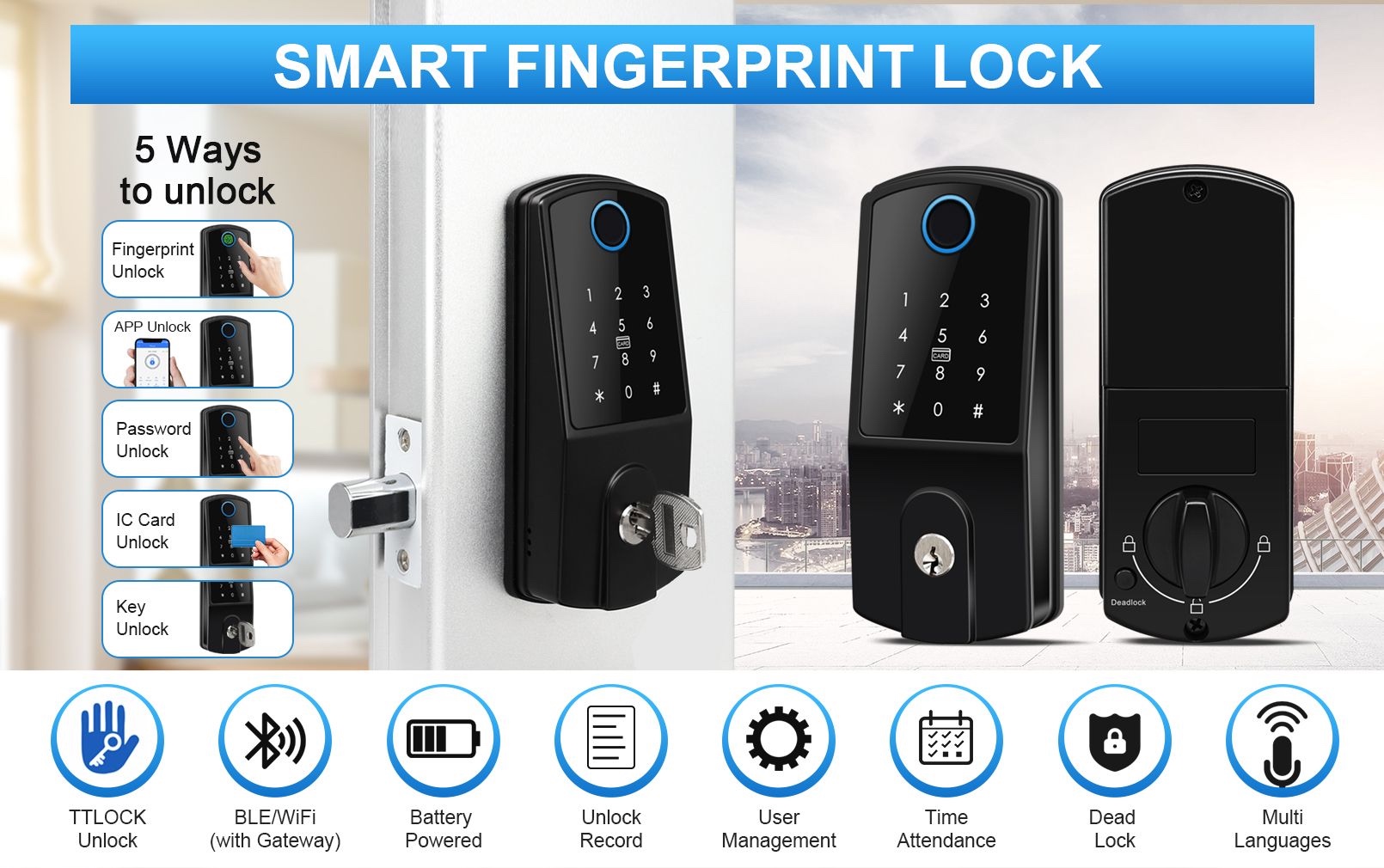
D200-Ble (TTLock Smart Lock) suits projects using the TTLock ecosystem, while D201-BT (Tuya Smart Lock) suits stores using Tuya.
Both provide a practical way to combine smart access with everyday staff management.
4. Don't Ignore Emergency Egress
A commercial storefront door smart lock must work with the complete door and exit arrangement. For doors on required means of egress, confirm that the installation complies with applicable local fire and life-safety codes before deployment.
5. Quick Buying Checklist
When comparing the best commercial smart lock options, ask:
Is it suitable for the door?
Can it handle the expected traffic?
Does it support the required access methods?
Is user management simple?
What happens during battery or power failure?
Does the complete installation meet local safety requirements?
Can it handle the expected traffic?
Does it support the required access methods?
Is user management simple?
What happens during battery or power failure?
Does the complete installation meet local safety requirements?
Final Takeaway
For retail chains, the right smart lock is the one that balances security, durability, convenient management, and door compatibility—while meeting local safety requirements.