


CR5-R
NFC Wiegand 26 Reader with Think and Light Design
Waterproof, conforms to IP67
Wiegand 26, 32, 34, 44, 58bits output
Wiegand output can be programmed
Reading range: 1~6cm
External LED Control & External Buzzer Control
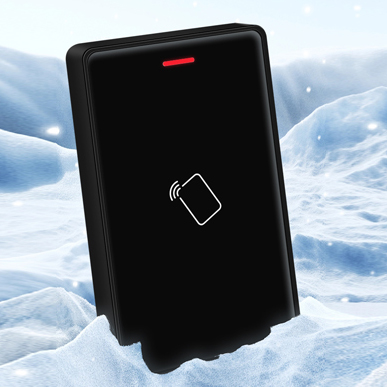
Working Temperature: -40°C ~ 60°C (-40°F ~ 140°F)
EM Version: Read 125KHz EM Card
MF Version: Read 13.56MHz Mifare card (both 4bytes and 7bytes)
RX Version: Read 125KHz EM+Hid card & 13.56MHz Mifare



Sales Inquiry
Description of Wiegand 26 Reader
The reader is a Wiegand output proximity reader, Wiegand can be programmed.
Because of waterproof, it can be mounted either indoor or outdoor in harsh environments.
Features of Wiegand 26 Reader
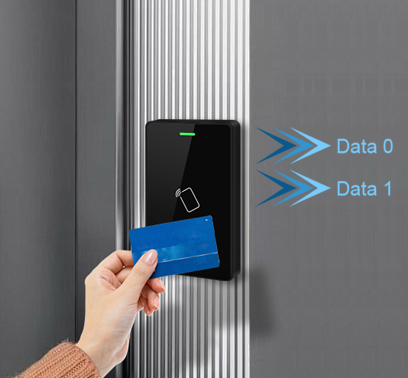
Wiegand output
can be programmed
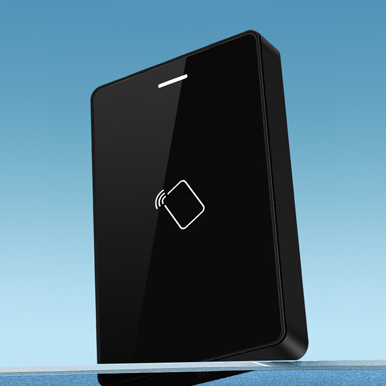
Super thin design
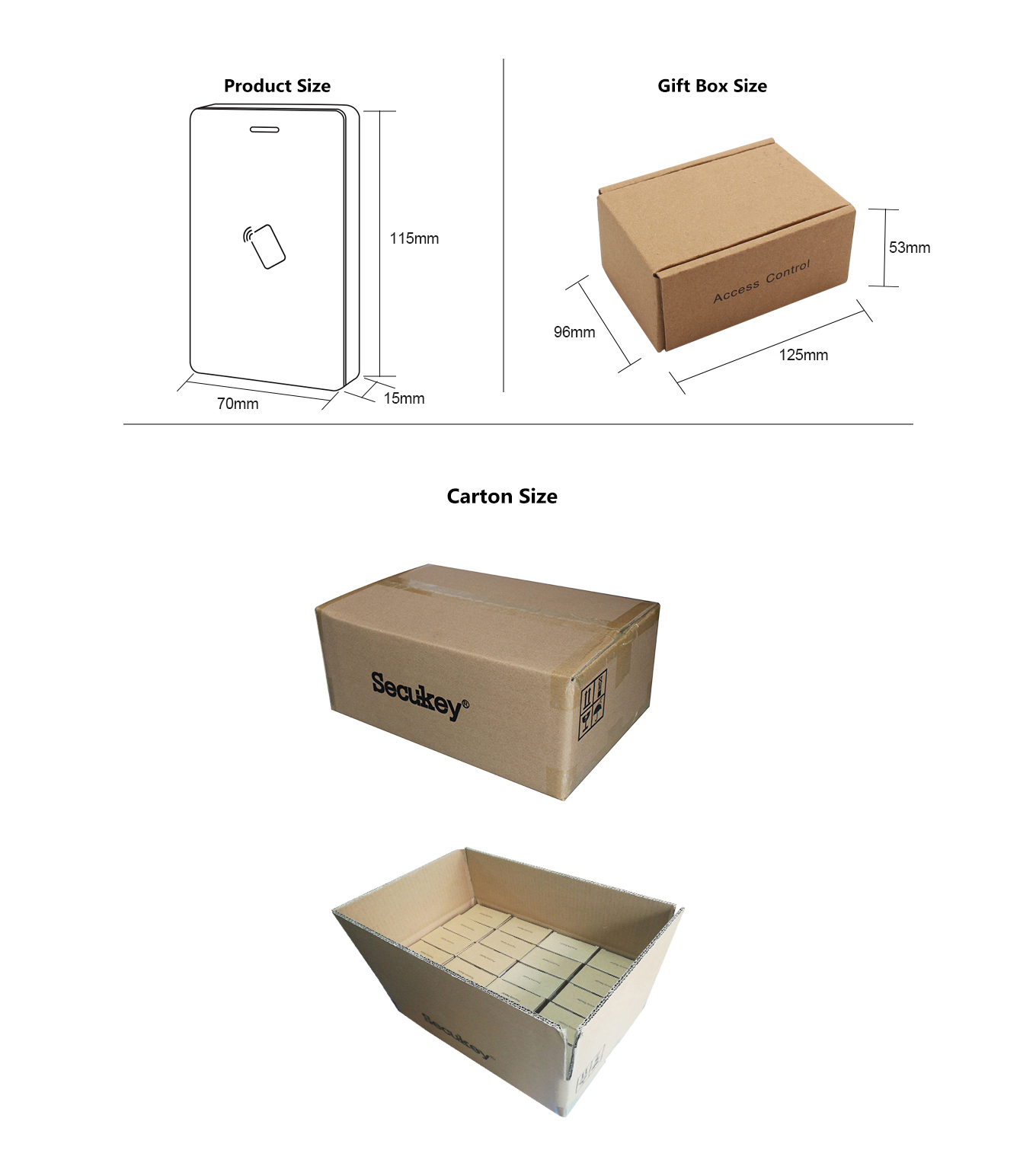
Thickness: 15mm
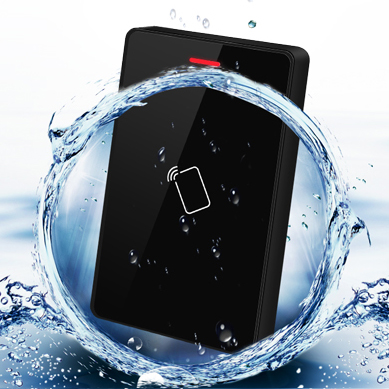
Waterproof, IP67
-40°C
Low working temperature
FAQ of Wiegand 26 Reader
1. After wiring the Wiegand 26 Reader, there is no response when swiping a card and the LED does not light up. What is the usual cause?
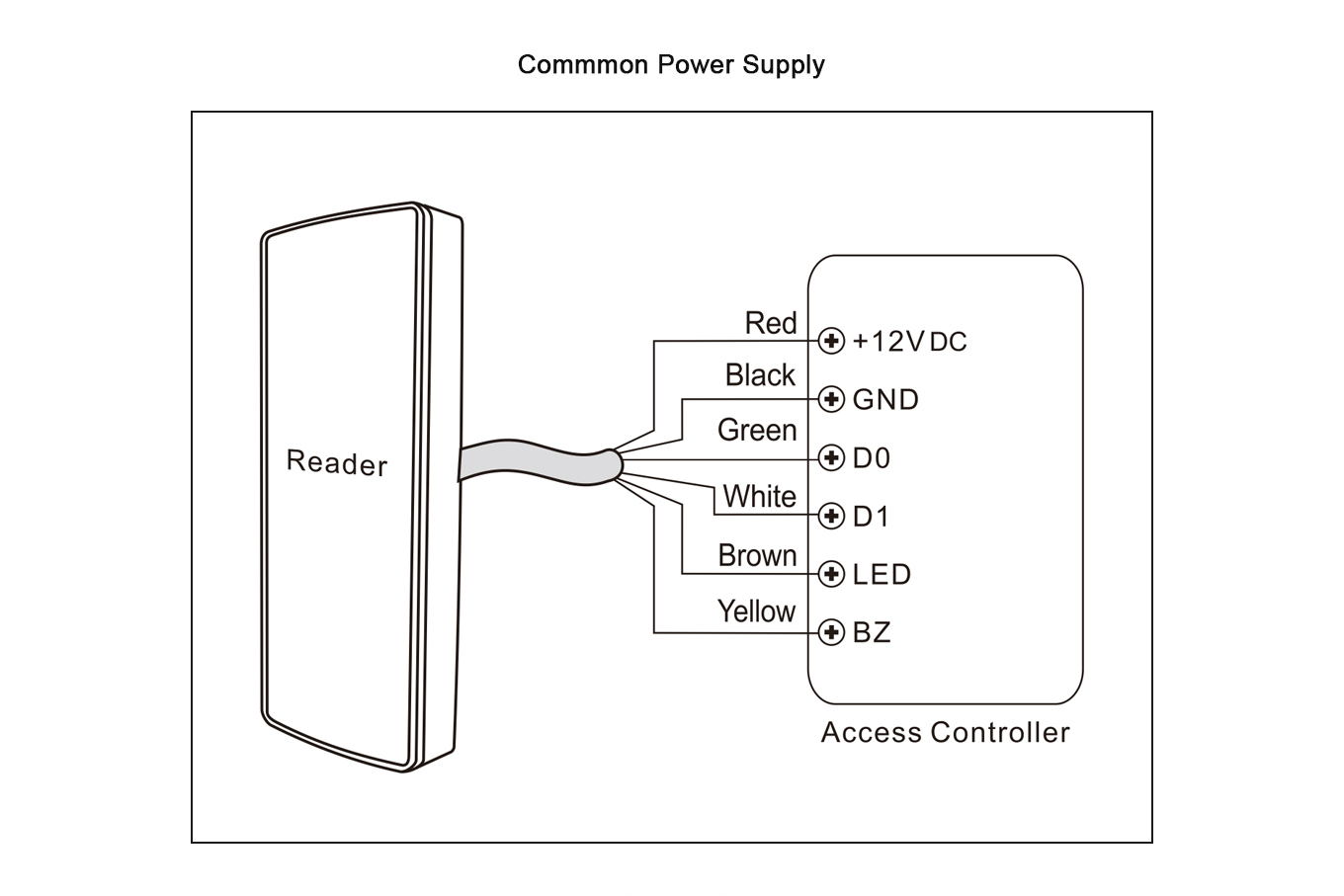
Most are power supply issues or wiring errors. First check if the 12V power supply is normal and the positive and negative poles are reversed; then confirm that the Wiegand data lines D0 and D1 are connected to the corresponding ports of the controller correctly without short circuits.
2. Are Wiegand 34 and Wiegand 26 readers interchangeable?
Hardware interfaces are basically interchangeable, both use two data lines for transmission, but the protocol formats are different. The reader format must be set to WG26 or WG34 in the access controller to match the card reader for normal reading.
3. The Wiegand 26 reader beeps when swiping, but the controller cannot receive the card number. How to troubleshoot?
Common causes include three points:
> D0 and D1 data lines are connected reversely;
> excessively long or unshielded data lines causing signal interference;
> mismatch between the reader output format and the controller (e.g., the device only supports Wiegand 26 but the reader is 34).
> D0 and D1 data lines are connected reversely;
> excessively long or unshielded data lines causing signal interference;
> mismatch between the reader output format and the controller (e.g., the device only supports Wiegand 26 but the reader is 34).