


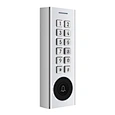
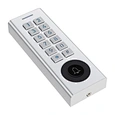

SK12
Outdoor Keypad & RFID Access
One relay, 10,000 users (9988 common users + 2 panic users +10 visitor users)
Card type: 125KHz EM card
Metal case, anti-vandal
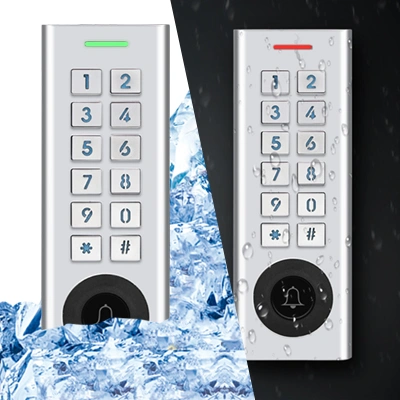
Waterproof, conforms to IP67
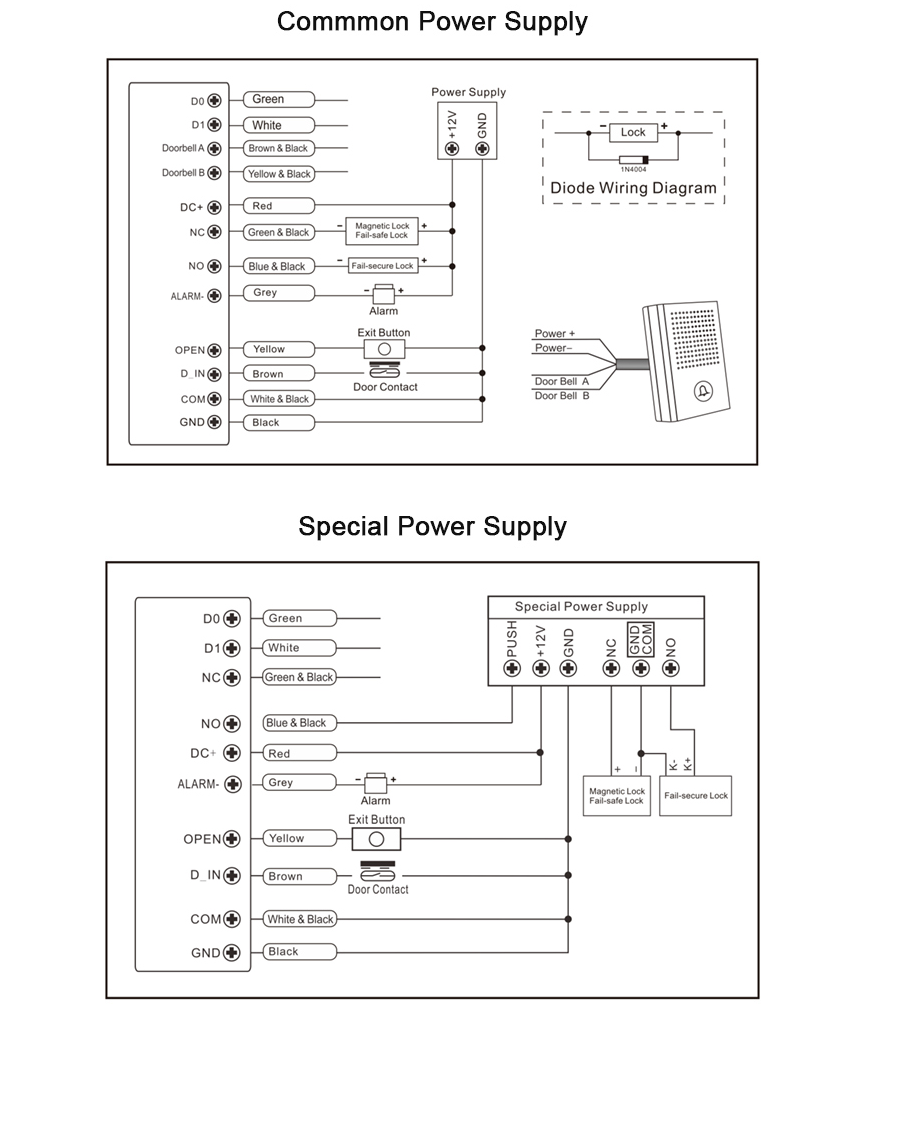
Wiegand 26~44bits input & output
Can be used as Wiegand reader with LED & buzzer output
User data can be transferred
2 devices can be interlocked for 2 doors
Integrated alarm & Buzzer output


Sales Inquiry
Description of Outdoor Keypad & RFID Access
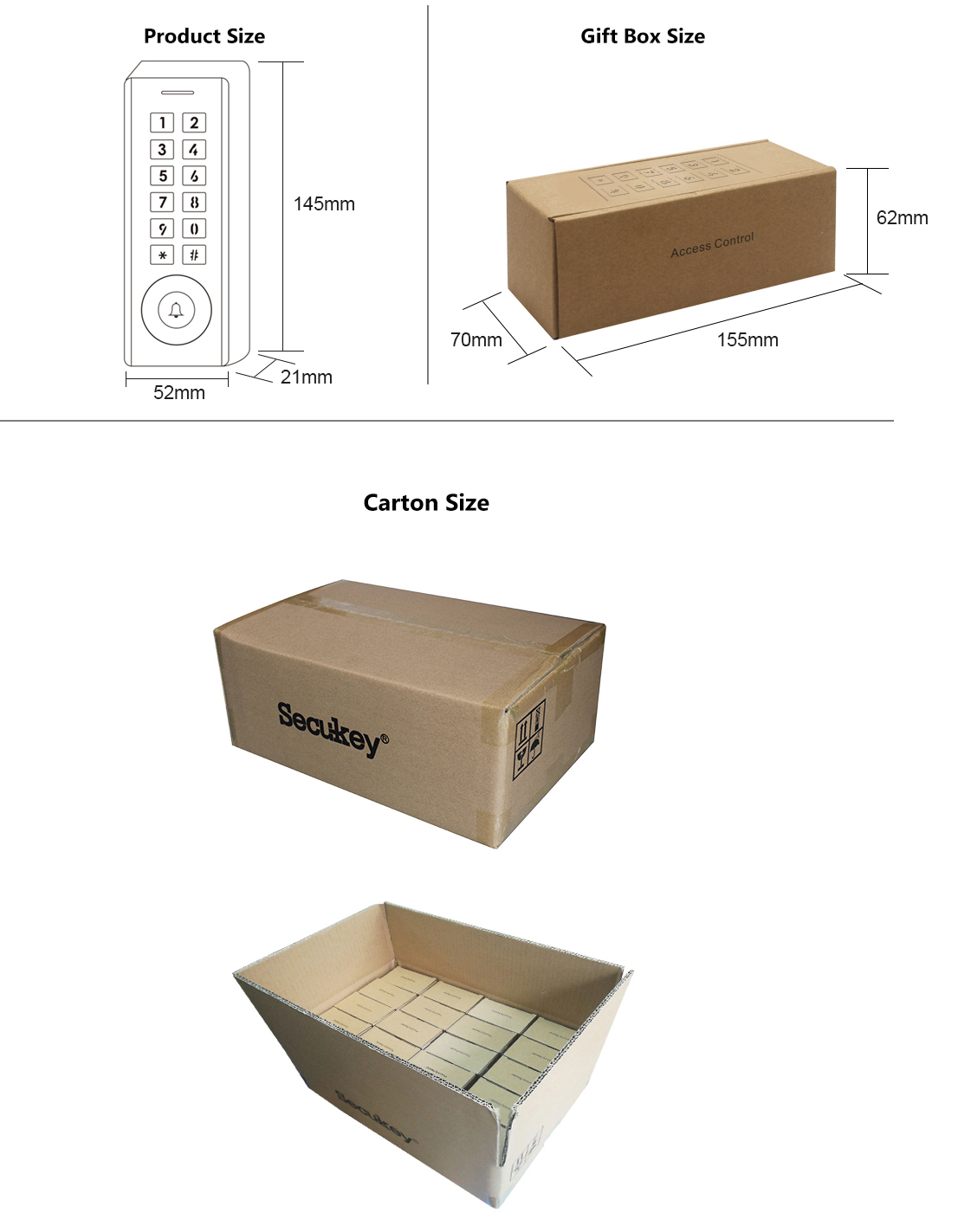
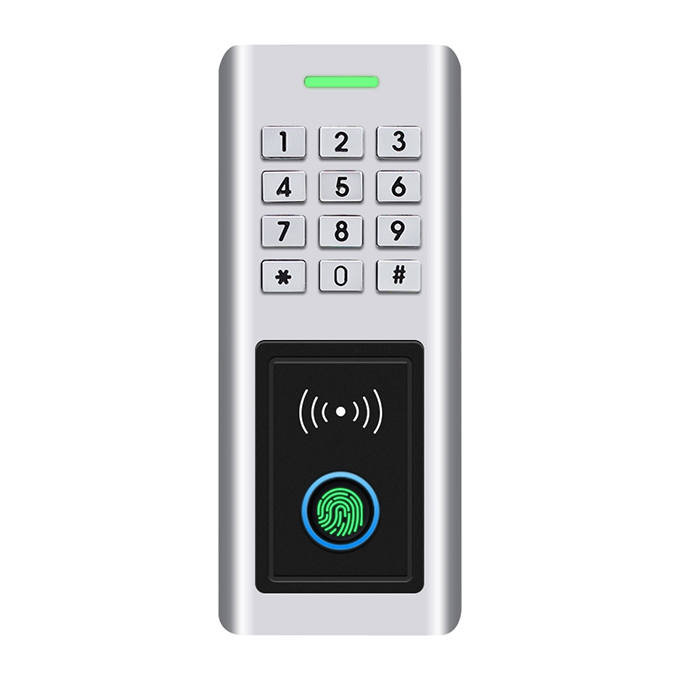
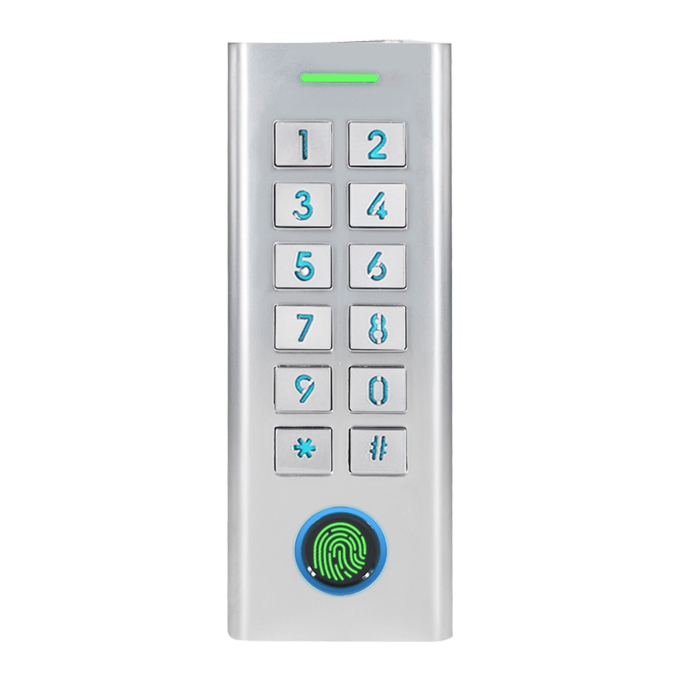
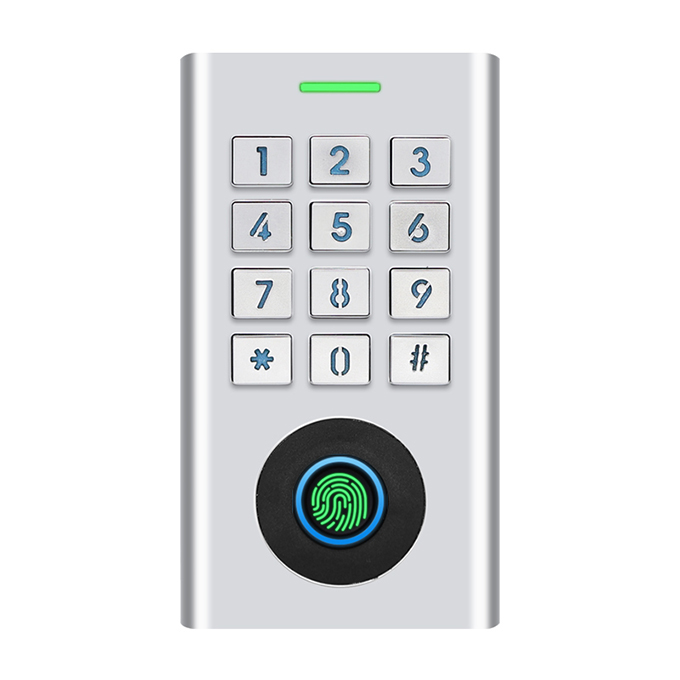
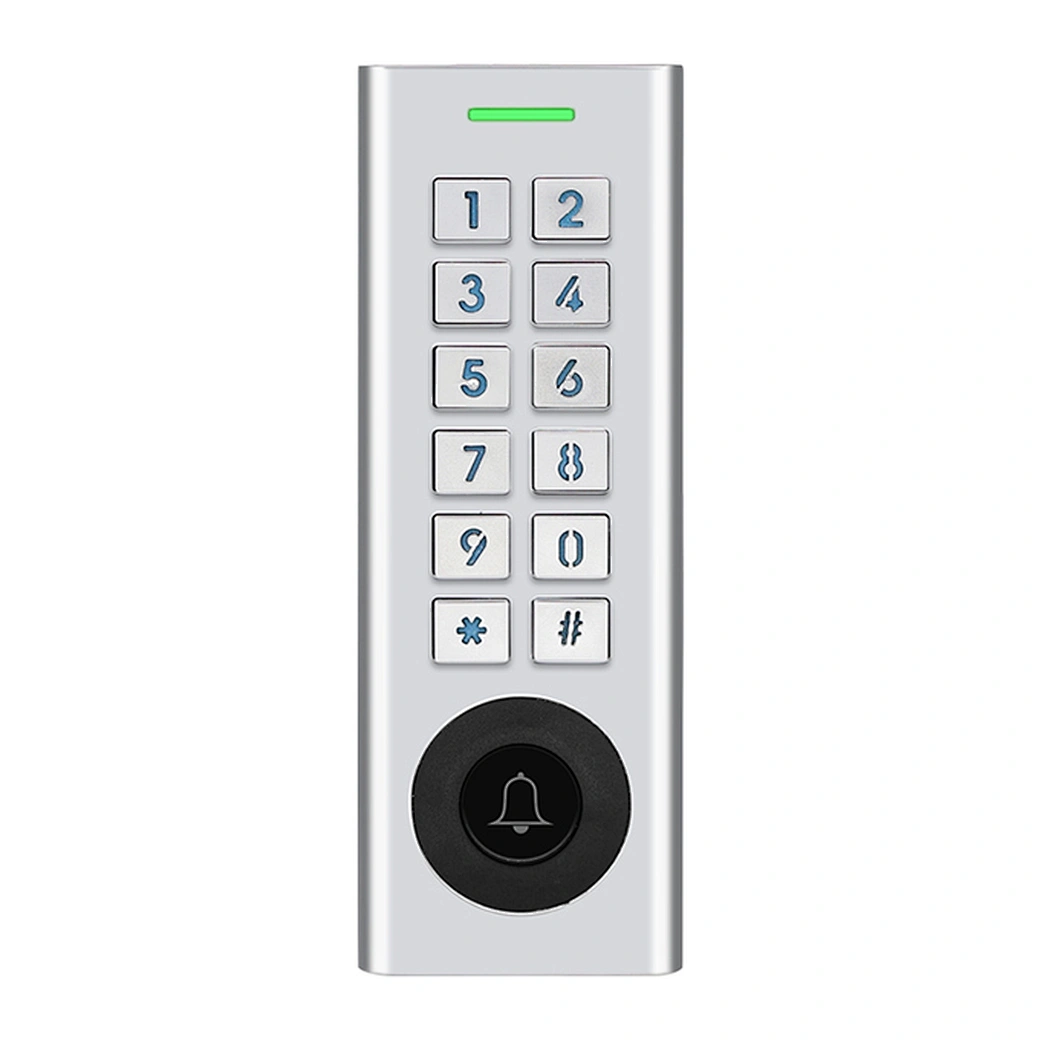
SK12 is a metal case standalone access controller with doorbell.
It uses Atmel MCU assuring stable performance. The operation is very user-friendly and IP67 waterproof makes it very suitable for outdoor use.
It supports up t 9998 Card/PIN users, 2 panic users and 1 visitor users with Wiegand 26-4bits input output, it can also work as a slave reader to connect to a 3rd party controller
Features of Outdoor Keypad & RFID Access
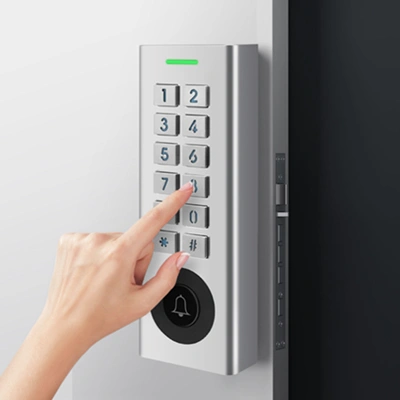
Big User Capacity:
10,000 PIN/Card Users
10,000 PIN/Card Users
Card Type: 125KHz EM Card
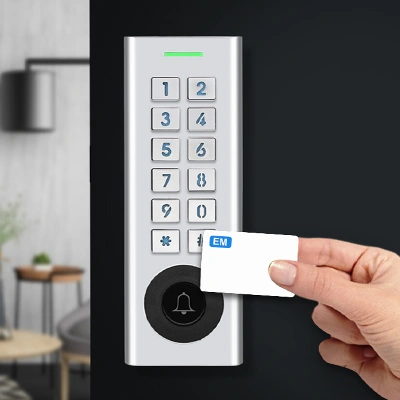
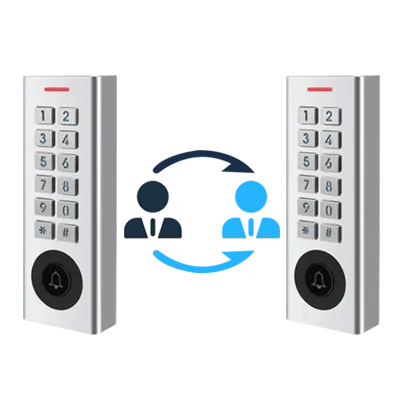
Transfer users can be easily done within one minute
-40°C resistance IP67 waterproof
FAQs of Outdoor Keypad & RFID Access
1. What is the 10,000-user capacity actually made of?
The database holds 9,988 common users for cards and PINs, 2 panic users for duress situations, and 10 visitor users for temporary guests — 10,000 slots in total. That capacity puts it in residential compound and office-building territory rather than a single small door, and visitor slots being pre-reserved means temporary access never eats into permanent staff numbers.
2. Is EM-only reading a limitation at this capacity level?
125 kHz EM is the lowest-cost credential and the most widely held card in residential and rental environments, so at 10,000 users the per-card cost matters more than card sophistication — this is the model for issuing thousands of cheap fobs to tenants. It will not read 13.56 MHz Mifare; sites standardised on Mifare need the universal-model equivalent instead.
3. Can SK12 grow beyond a single door?
Yes, in two ways. Two units can be interlocked so one door must close before the other releases, and the Wiegand 26–44-bit input and output let it act as a slave reader under a third-party controller, or feed another device. User records can also be transferred between units so a multi-door site is enrolled once.