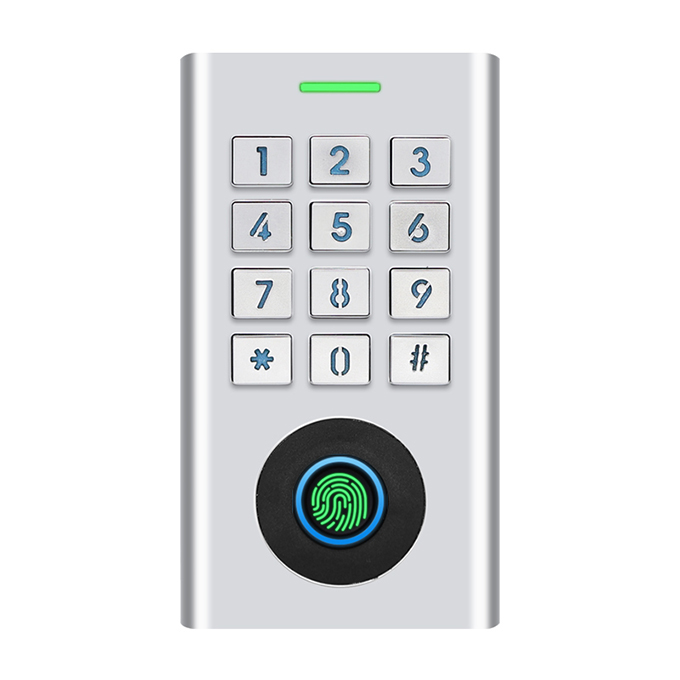


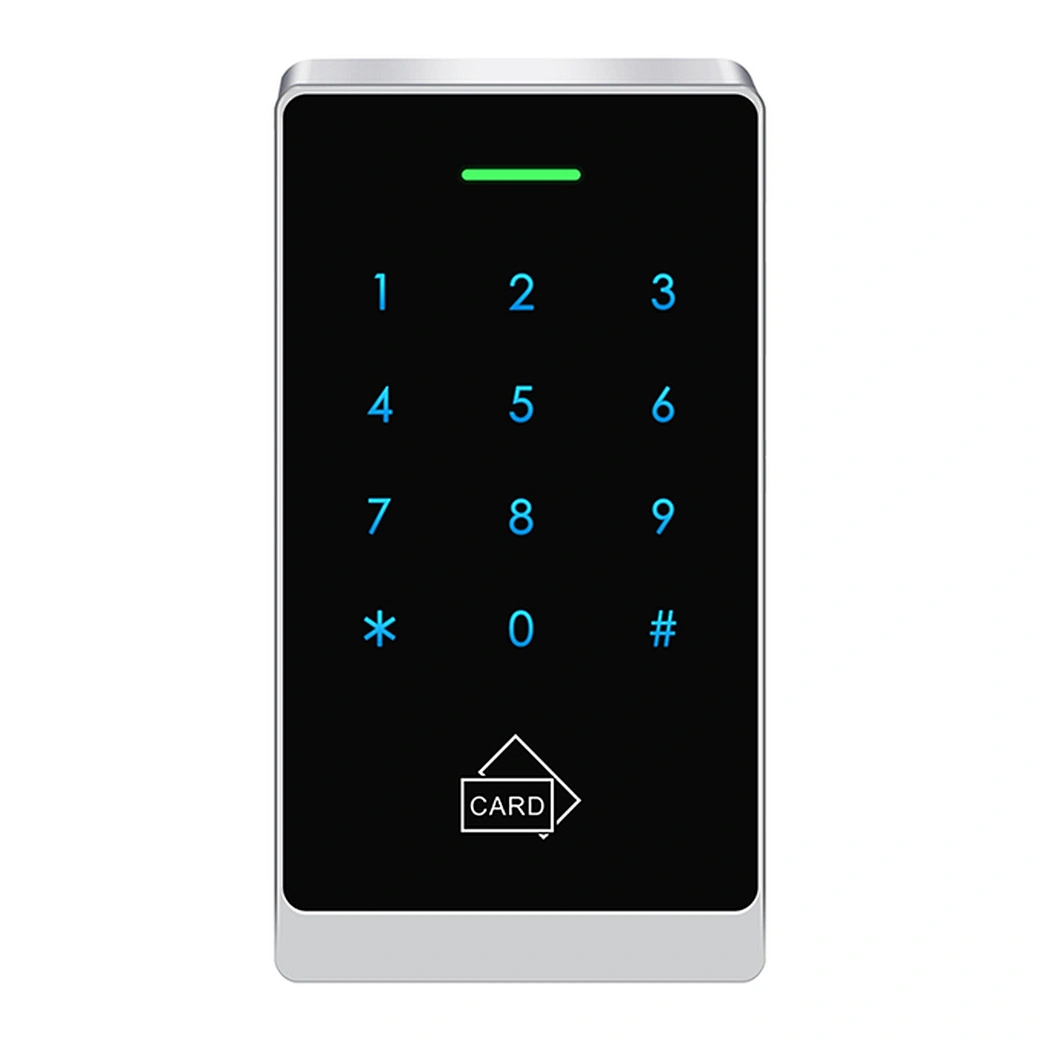
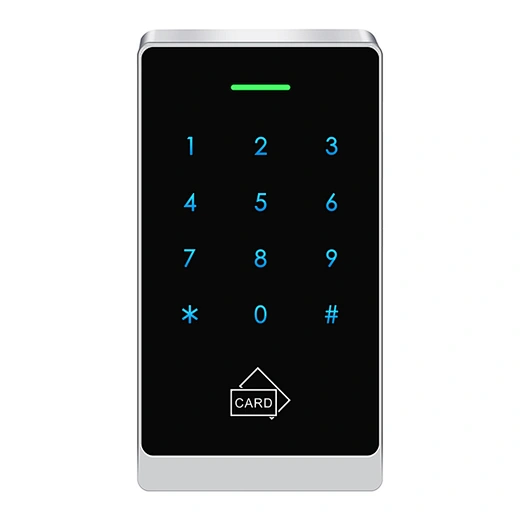
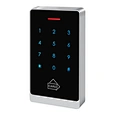
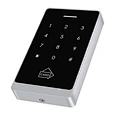

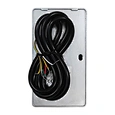
H8-RX
Wiegand Reader (EM+HID+MF)
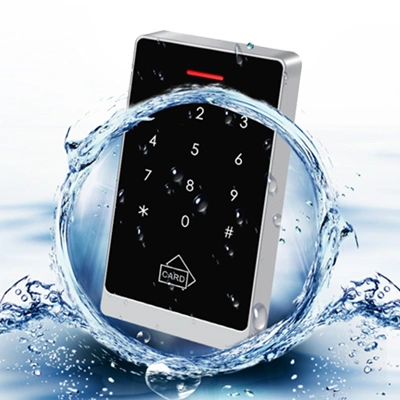
Waterproof, conforms to IP67
Metal Case + Tamper Glass Panel
Wiegand 26~44, 56, 58 bits output
Programmable Keypad Transmission: 4 bits, 8bits or virtual card number format
Card Type: 125KHz Hid & EM cards, 13.56MHz NXP Mifare, Mifare Plus, DesFire, Mifare Pro, Mifare UltraLight, Mifare Class 4K, NFC and CPU cards
Reading range: 1~4cm
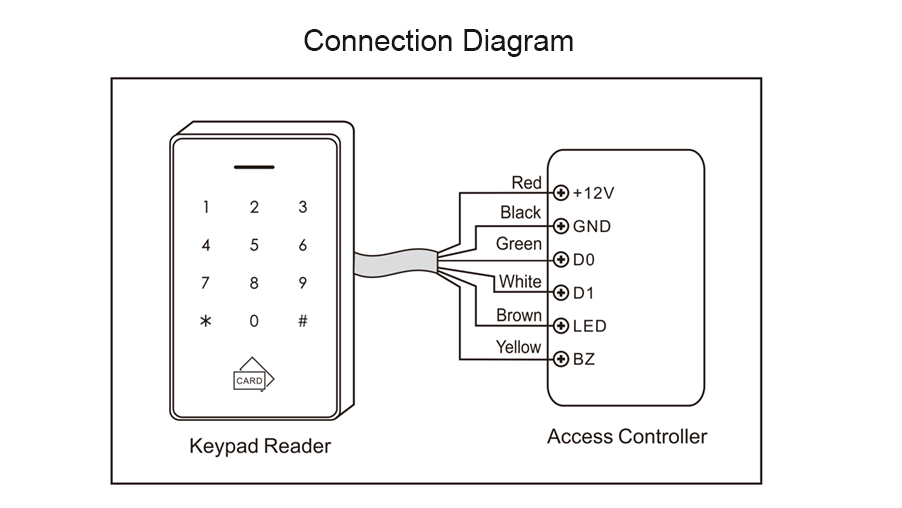
External LED Control & External Buzzer Control


Sales Inquiry
Description of Wiegand Reader (EM+HID+MF)
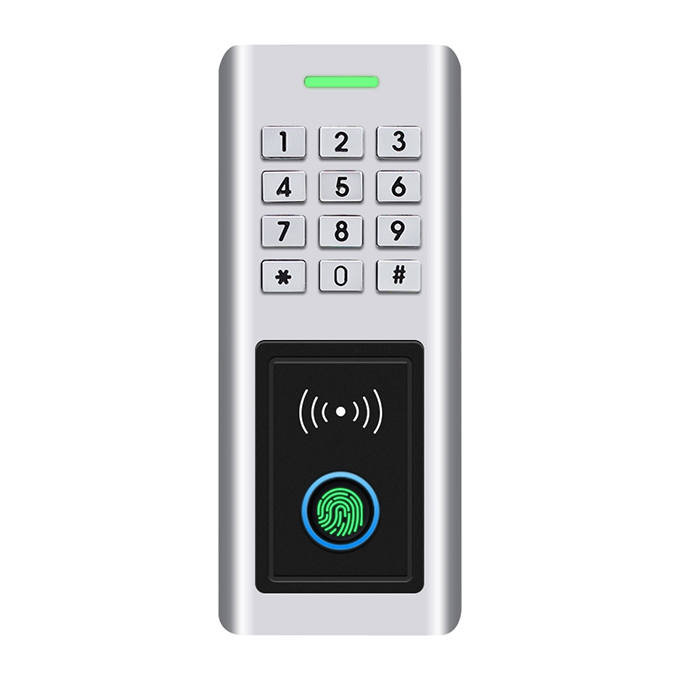
H8-RX is a Wiegand output keypad, with integrated proximity reader.
It can read 125KHz EM & HID cards and 13.56MHz Mifare Cards.
Because of waterproof, it can be mounted either indoor or outdoor in harsh environments.
It can read 125KHz EM & HID cards and 13.56MHz Mifare Cards.
Because of waterproof, it can be mounted either indoor or outdoor in harsh environments.
Features of Wiegand Reader (EM+HID+MF)
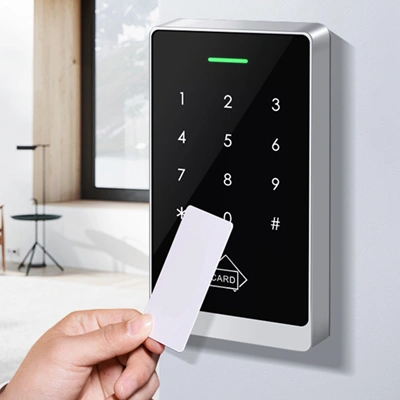
3 in 1 Universal Keypad Identifies 125KHz EM+HID & 13.56MHz Mifare Card
IP67 Waterproof,
Backlit keypad
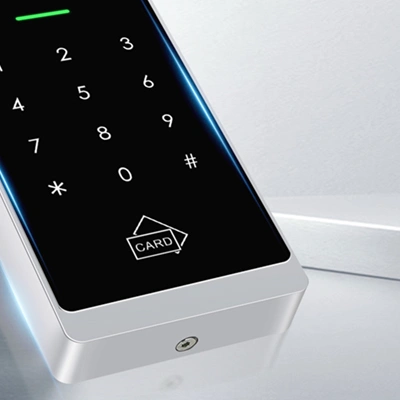
Metal Case +Tamper Glass Panel
Keypad Transmission format: 4bits (8bits and 10bits virtual card number can be set)
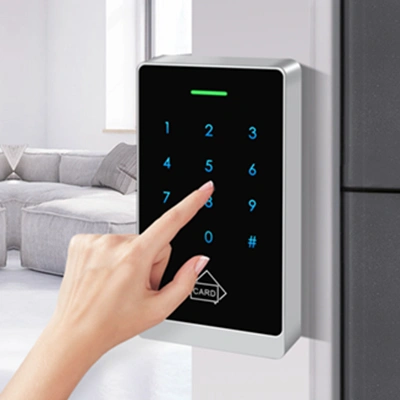
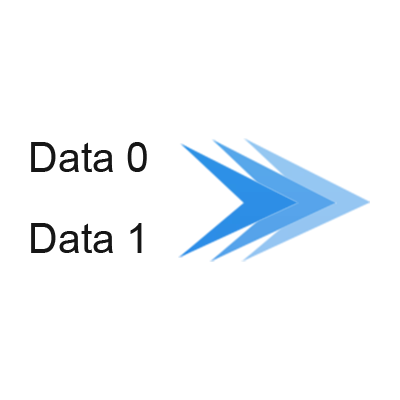
Manually programmable Wiegand format (26~44, 56,58bits)
FAQs of Wiegand Reader (EM+HID+MF)
1. Which Wiegand formats does the output support, and why does 56/58 bit matter?
The reader can send 26–44, 56 or 58-bit strings, so it matches panels that expect the longer corporate formats rather than only the classic 26-bit. In practice this means one SKU covers a mixed estate: a legacy 26-bit door, a 34-bit site and a 56/58-bit system can all take the same reader without a format translator in between.
2.What do the 4-bit, 8-bit and virtual card number keypad modes actually do?
4-bit sends one keypress as a small hex value, 8-bit sends two keys as a single byte — useful when the panel wants trigger codes rather than a PIN. Virtual card number mode sends the typed PIN to the panel as if it were a card ID, which is how keypad entry can be added to a system that only understands cards: lift control, kiosks, time-attendance terminals or a panel with no native keypad support.
3. Why would I need external LED and buzzer control?
The reader's LED and buzzer can be driven by the host panel instead of deciding everything locally, so grant/deny, armed state and door-held-open warnings all display at the reader — even when the panel sits in a different room or a locked cabinet. Users see one consistent signal at the door instead of two systems disagreeing.