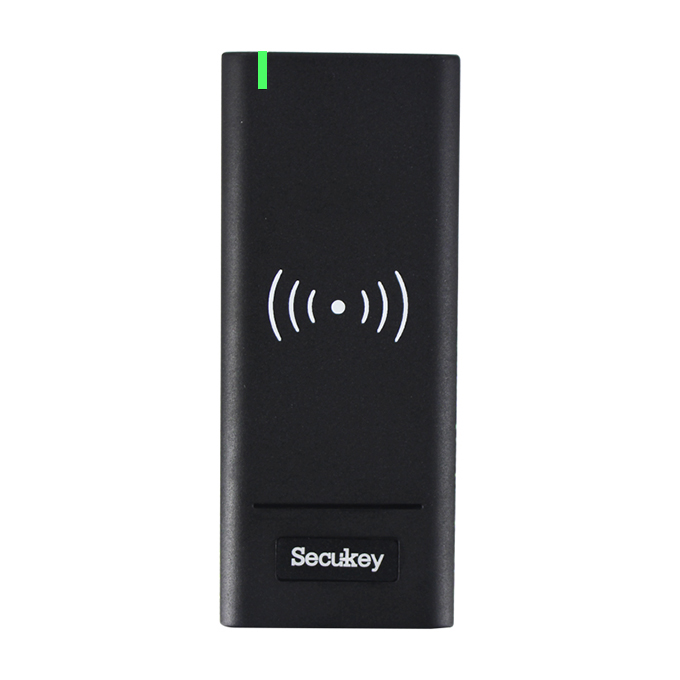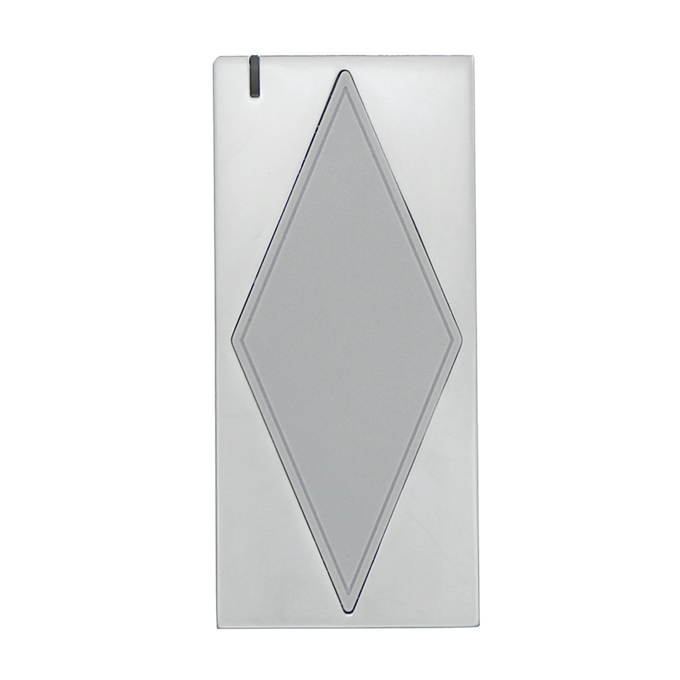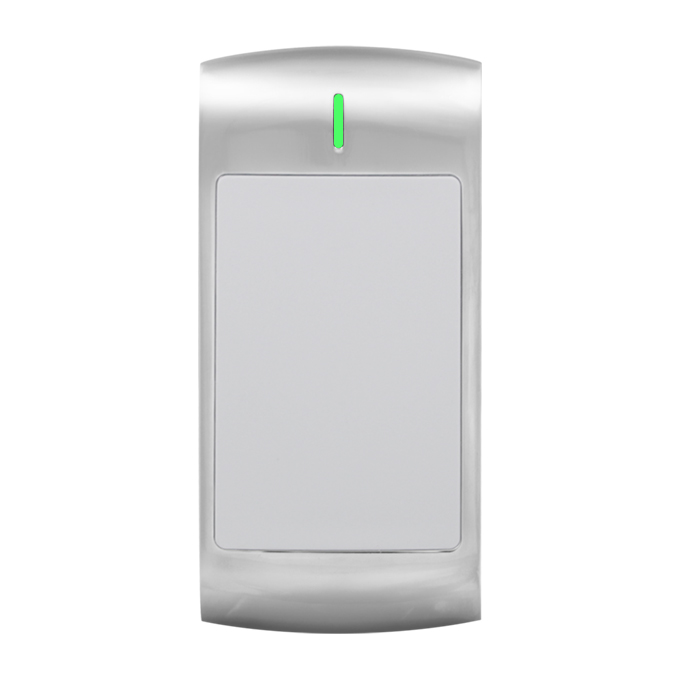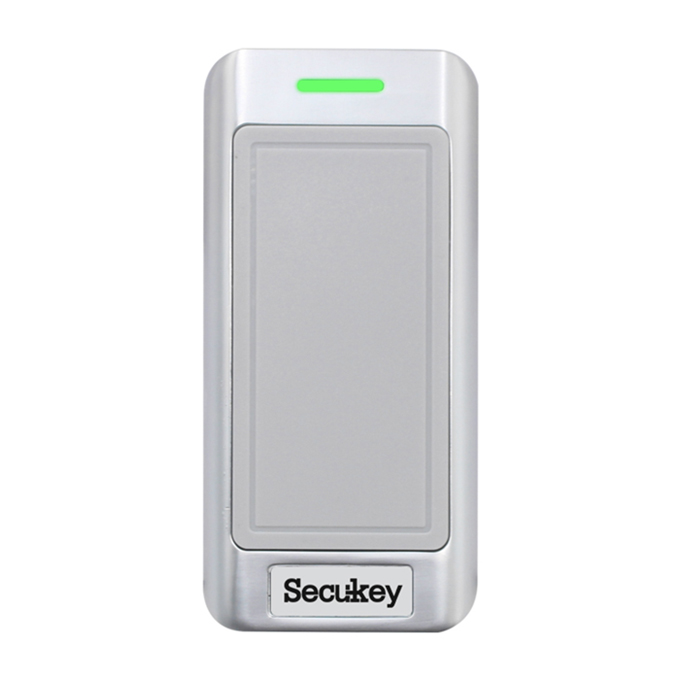


QR9
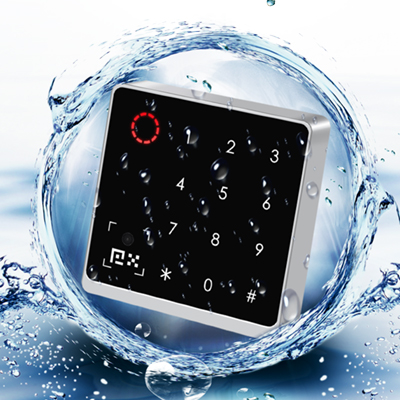
Wiegand & RS485 QR Code Reader
Metal case, anti-vandal
Waterproof, conforms to lP67
Wiegand & RS485 protocol
Programmable Wiegand output: 26~44, 56, 58, 64 bits
Programmable Keypad Transmission: 4bits, 8bits or virtual card number format
Card type: EM+HID+Mifare cards
Reading range: 1~4cm
External LED Control & External Buzzer Control


Sales Inquiry
Description of QR Code Image Reader
QR9 is a waterproof & metal QR code image reader, supports Wiegand & RS485 dual protocol, with integrated proximity reader.
Features of QR Code Image Reader
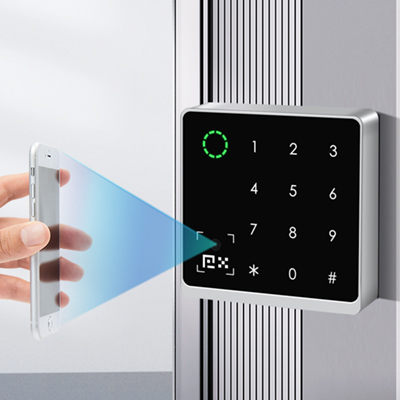
 QR Code Recognition
 Bar Code Recognition
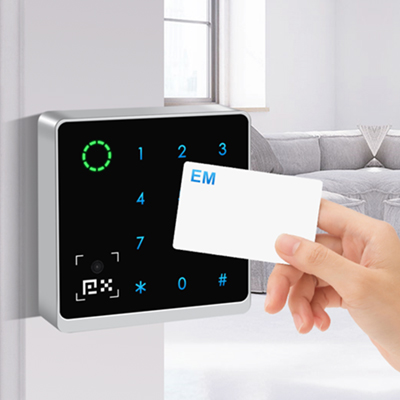
 EM+HID+Mifare +
NFC card reading
NFC card reading
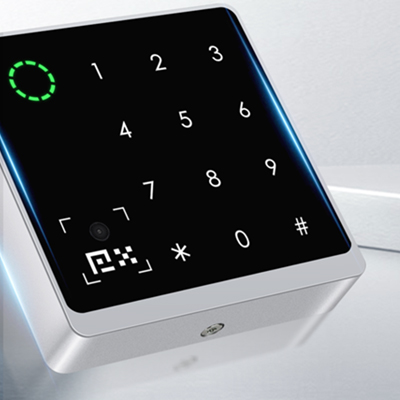
Metal case + glass panel
IP67 for outdoor use
Wiegand 26~44, 56,58, 64 bits
& RS485 dual protocol
& RS485 dual protocol
FAQ of QR Code Image Reader
1. What is a QR code Imagereader?
A QR code access control is a digital key that replaces physical keys or access cards. You simply scan it from a phone or a printout to unlock doors, with permissions managed entirely in the cloud.
Its main advantage lies in flexibility: access rights can be set to expire after a specific time, limit the number of entries, or restrict access to certain doors.
Its main advantage lies in flexibility: access rights can be set to expire after a specific time, limit the number of entries, or restrict access to certain doors.
2. How does QR code Image reader work?
The system consists of three components:
> Reader: A QR code reader installed at the door, connected to the controller.
> Credential: A QR code displayed on a mobile app, email, or printed badge.
> Validation: The reader scans the code, decrypts the data, checks permissions against the database, and triggers the door relay if authorized.
> Credential: A QR code displayed on a mobile app, email, or printed badge.
> Validation: The reader scans the code, decrypts the data, checks permissions against the database, and triggers the door relay if authorized.
3. Can QR code image reader be tricked by printed copies?
Yes, but this is often intentional. Printed QR codes are commonly used for:
> Visitor passes: Printed on paper with expiration dates, often limited to single-use or specific time windows.
> Contractor access: Temporary credentials that self-destruct after the job ends.
> Contractor access: Temporary credentials that self-destruct after the job ends.
For employee access, dynamic app-based codes are the standard. If your system uses printed codes for employees, it's a security risk.